
Every dental decision is an emotional decision dressed in logical clothing. Understanding the psychology changes everything about how you market and how you consult.
Patients tell you logical reasons for not proceeding. But they're responding to emotional triggers. Understanding the difference between what patients say and what they actually feel determines whether your marketing and consultations convert or fail.

The patient who says 'I need to think about the cost' is rarely making a financial calculation. They're processing fear. The patient who says 'I'll talk to my spouse' is looking for validation that this is the right choice. The patient who says 'maybe later' is overwhelmed and needs permission to take a break.
Understanding these translations is the difference between a 40% case acceptance rate and a 70% one. Marketing that addresses the real concern — not the stated one — converts at a fundamentally different rate.

The most primal fear. Will this hurt? How much? For how long? Patients who haven't been pre-educated imagine the worst. Video content that honestly shows what to expect reduces this fear dramatically.
Not the absolute number — the uncertainty. Patients fear hidden costs, unexpected bills, and the feeling of being trapped in an expensive process. Transparent pricing and proactive financing presentation eliminate this.
Embarrassment about their current dental situation. Fear of being judged for neglecting their teeth. This is especially strong in denture patients and those with severe decay. Empathy-first messaging that normalizes their situation is essential.
How many appointments? How long is recovery? When can I eat normally? Patients fear disruption to their life. Clear timelines and realistic expectations reduce this anxiety.
What will it look like? What if something goes wrong? What if I regret it? Every fear that hasn't been specifically addressed lives in this category. Comprehensive education is the antidote.
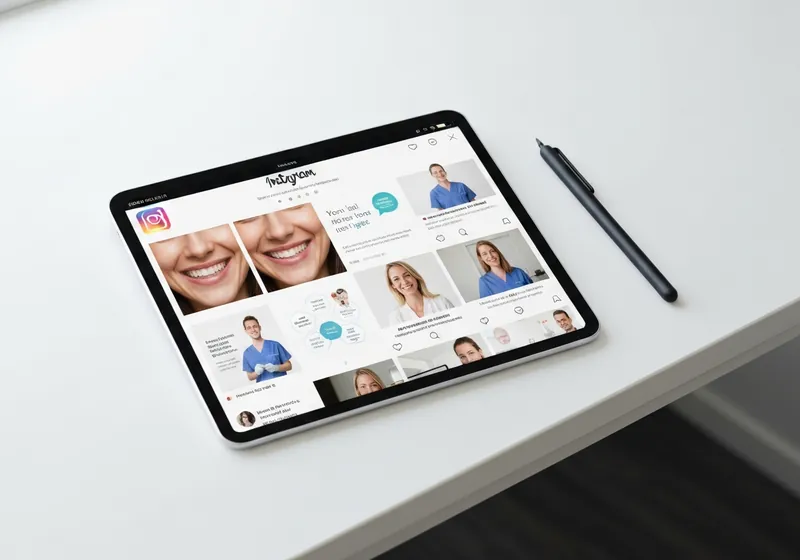
Patients who've watched a procedure walkthrough before their consultation are dramatically less afraid than patients encountering the information for the first time in a clinical setting. The video already showed them what to expect. The FAQ already answered their biggest concerns. The patient testimonial already showed them someone like themselves who had a great outcome.
Pre-education transfers the emotional processing from the consultation to the research phase — where the patient has privacy, time, and the ability to revisit content as many times as they need. By the time they arrive for consultation, the fear has been processed. The conversation can focus on personalized care.
Testimonials and reviews don't just build credibility — they provide the social validation patients need to say yes. 'If someone like me did this and had a great experience, maybe I can too.' This is why patient testimonials are the single most effective content type for high-value dental marketing. Nothing converts like proof that it worked for someone just like you.
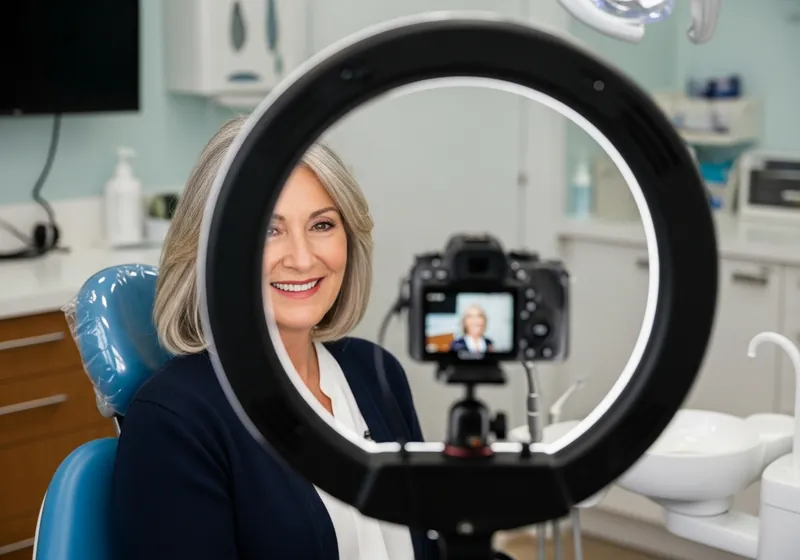
This is the psychology behind the case study. This is why video testimonials convert at 5-10x rates compared to written ones. The patient sees themselves in someone else's success — and suddenly, the decision becomes possible.
Start with a strategy session. We'll build a psychology-informed system for your practice.